What people ask us
What can I safely try myself before calling a plumber?
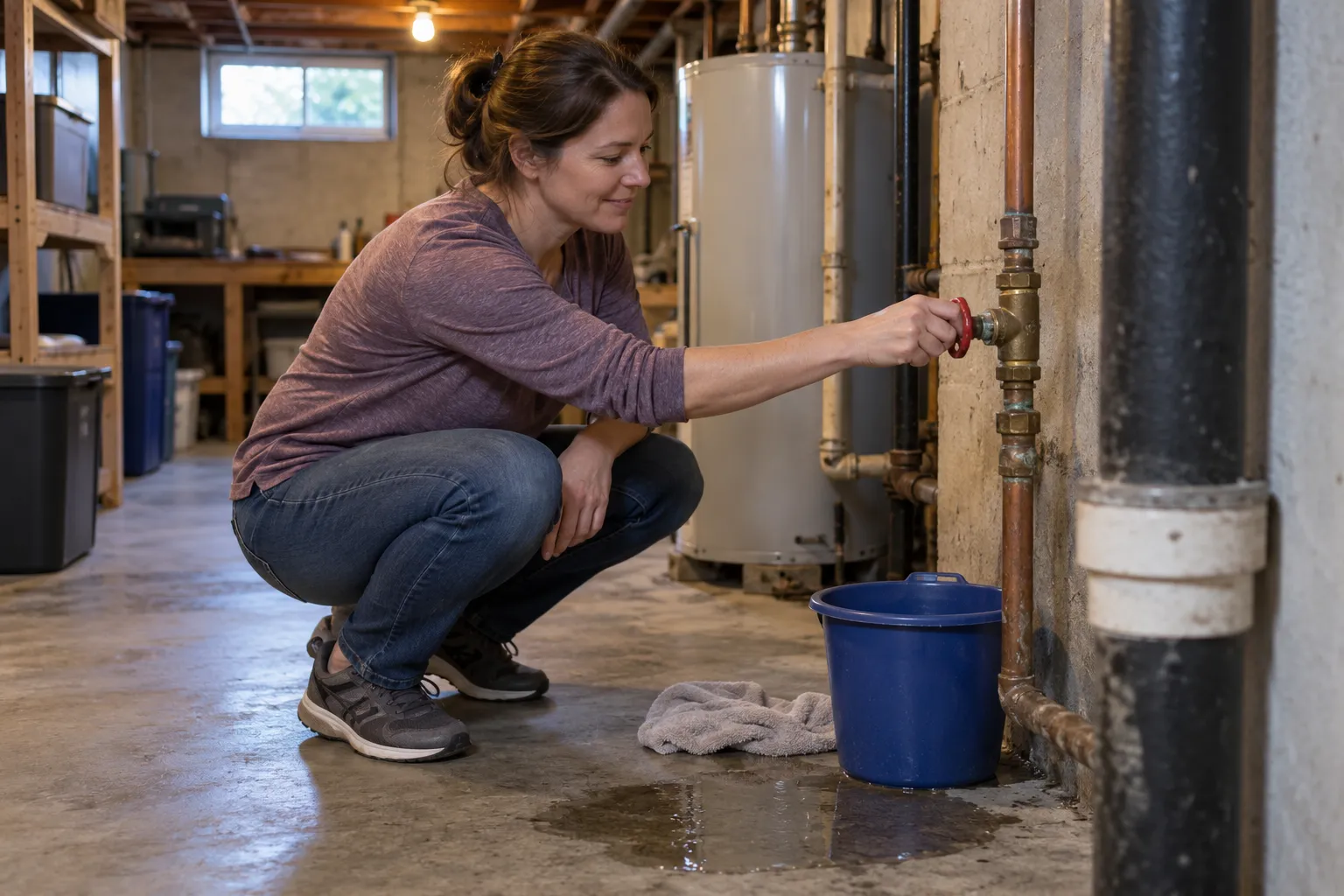
Small steps first. Shut off the water at the fixture valve or the main. Try a plunger on a sink or toilet. Move items away from wet areas. That is usually where DIY should stop. If water keeps rising, you smell sewage, or several drains back up, stop and request an estimate from a provider in our network.
Are chemical drain cleaners safe to use on a clogged drain?
Usually it is better to skip them. Strong chemicals can sit in a blocked pipe and harm older cast-iron or galvanized lines. They can also splash on skin and eyes, and they make the job riskier for a plumber who comes next. If a plunger does not work, a local provider can clear the blockage with proper tools. Never mix different cleaners together, because the fumes can be dangerous.
How much does emergency plumbing usually cost?
Costs vary a lot by job. In the U.S., a simple fix like a leaking supply line may run a few hundred dollars, while burst pipes or major repairs can cost much more. After-hours visits may add to the price. Ask each provider for a written quote that lists labor, parts and any added fees before work begins.
What does drain clearing typically cost?
Typical U.S. prices range from around one hundred to a few hundred dollars for a single sink or tub drain. Main line clearing often costs more, and a camera inspection may add to the total. The price depends on access, how deep the clog sits and the pipe condition. Always get a written quote so you know what is included.
How do I know if my sewer line is damaged?
Watch for slow drains in many places at once, gurgling toilets, sewage smells, or soggy spots in the yard. Basement floor drains backing up is another clue. Any of these can point to a sewer line problem. A provider can run a camera through the pipe to see what is wrong, then explain repair options.
Will my homeowners insurance cover a plumbing problem?
It depends on your policy. Some policies may cover sudden damage, such as a burst pipe, but often not slow leaks or wear. Sewer backup coverage is often a separate add-on. Check your policy or ask your insurer. Providers can often help document damage with notes and photos for a claim.
How can I prevent frozen or burst pipes in winter?
Cold snaps and freeze-thaw cycles can stress pipes, especially in basements, crawl spaces and exterior walls. Keep heat on, even when you travel. Insulate exposed pipes and disconnect garden hoses. On very cold nights, open cabinet doors under sinks and let a faucet drip. Know where your main shutoff is so you can act quickly.
Is it safe to stay in the house during a sewage backup?
Be careful. Sewage can carry germs, so keep children and pets away from the affected area. Avoid touching water or soaked items with bare hands. Stop using sinks, tubs and toilets so more water does not flow in. If the smell is strong or you feel unwell, step outside and get fresh air. Then reach out to a provider.